

The best time to visit Aurangabad for open-air heritage sites is generally October through March, when cooler weather makes sightseeing more comfortable. Monsoon brings green hills around Ajanta and Ellora, while festival dates and venues need checking before you plan around them.
- Peak season: October through March.
- Monsoon: June through September, with greener hills and potentially slippery conditions at Ellora.
- Hot period: March through May; mean daily highs reach 39.4°C in May.
- Hotel: Rooms at this three-star hotel are in Aurangabad.
At a glance
6 places · swipe
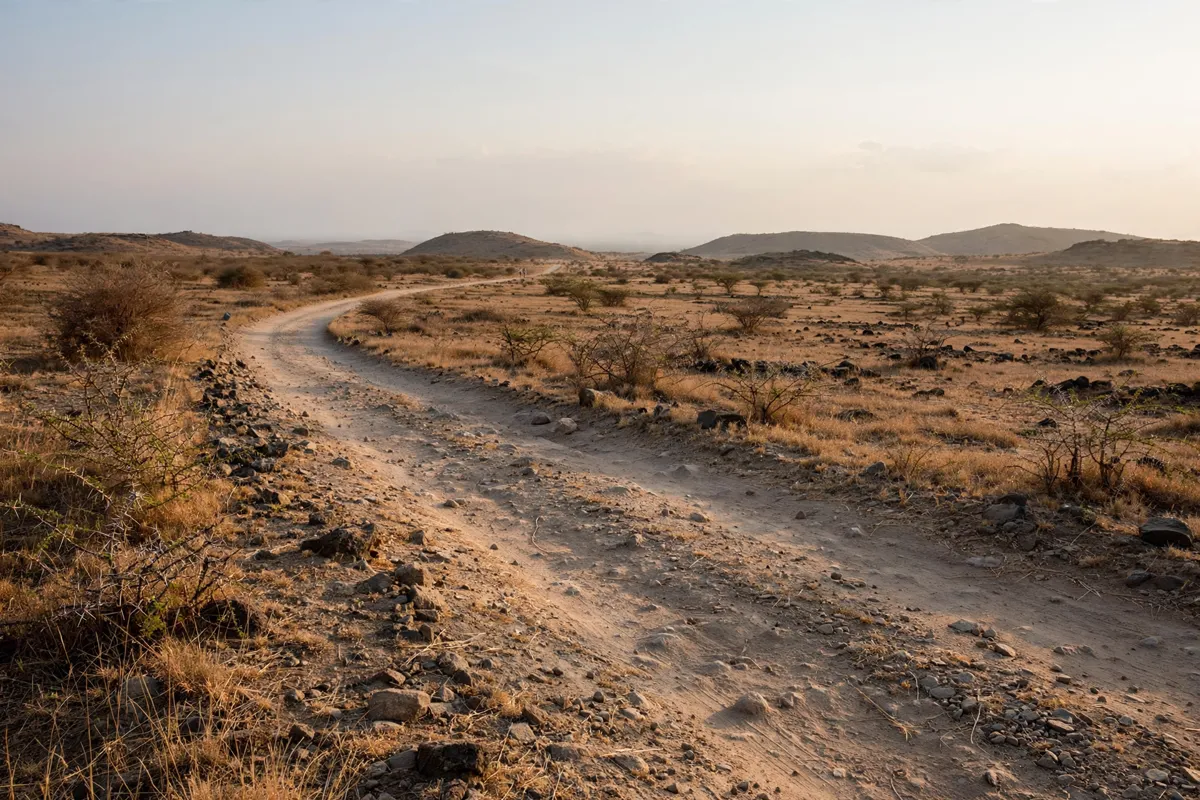 01How seasons affect a visitOctober through March is the peak season for visiting Chhatrapati Sambhajinagar’s open-air heritage sites.
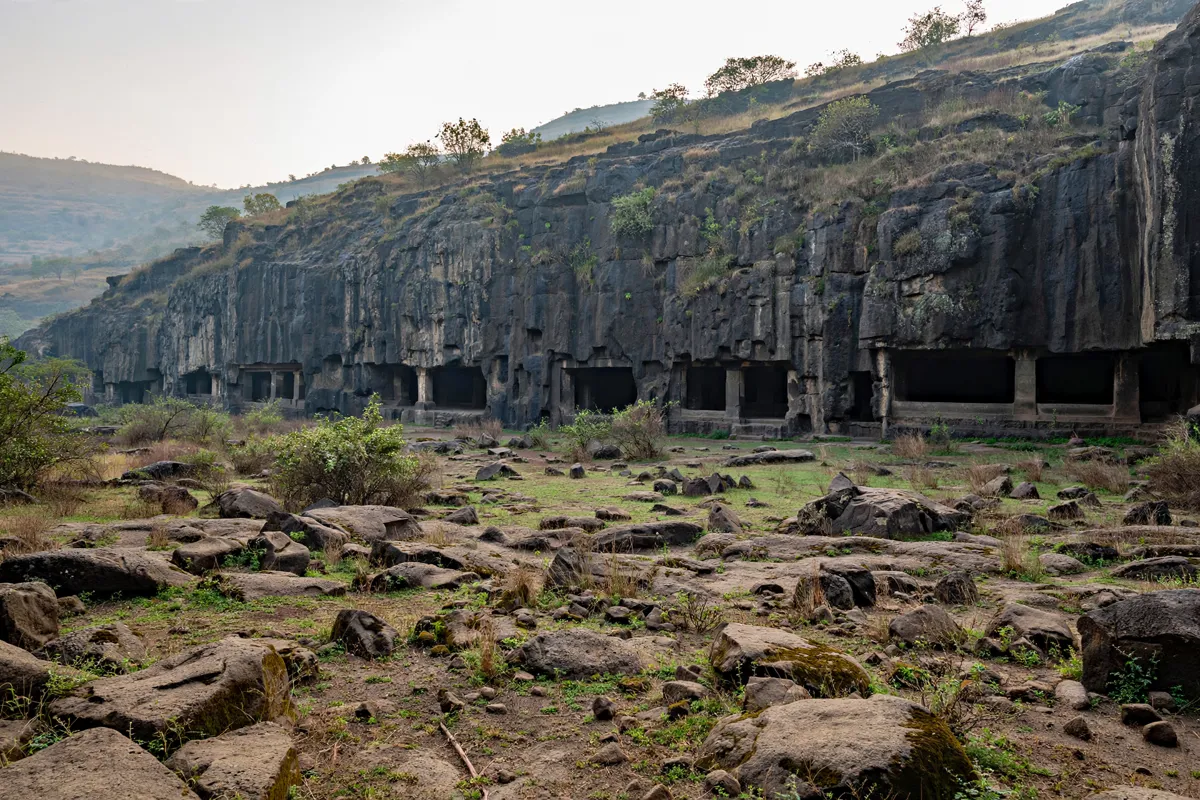 02Planning around the Ajanta-Ellora International FestivalThe Ajanta-Ellora International Festival can be a reason to consider a trip, but confirmed dates, venue…
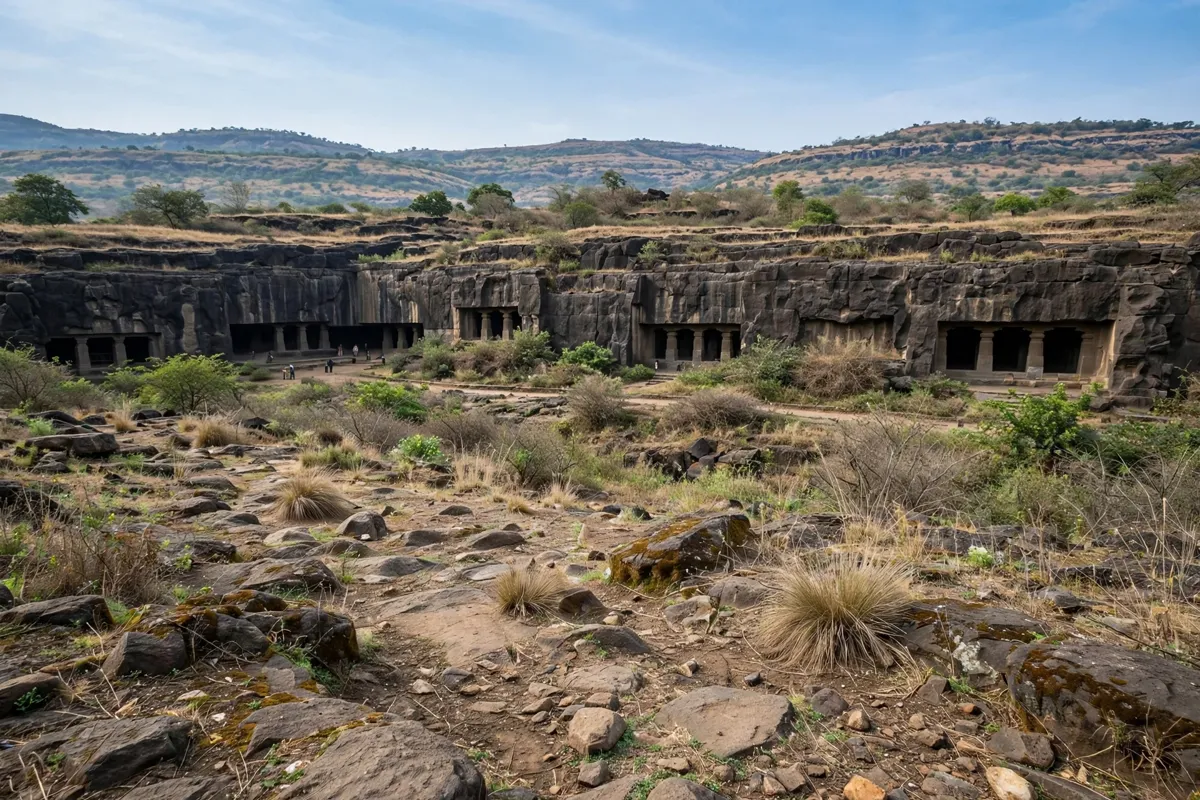 03The Ellora Festival and changing venuesDo not assume the Ellora Festival has a confirmed venue or public-access arrangement for a future edition.
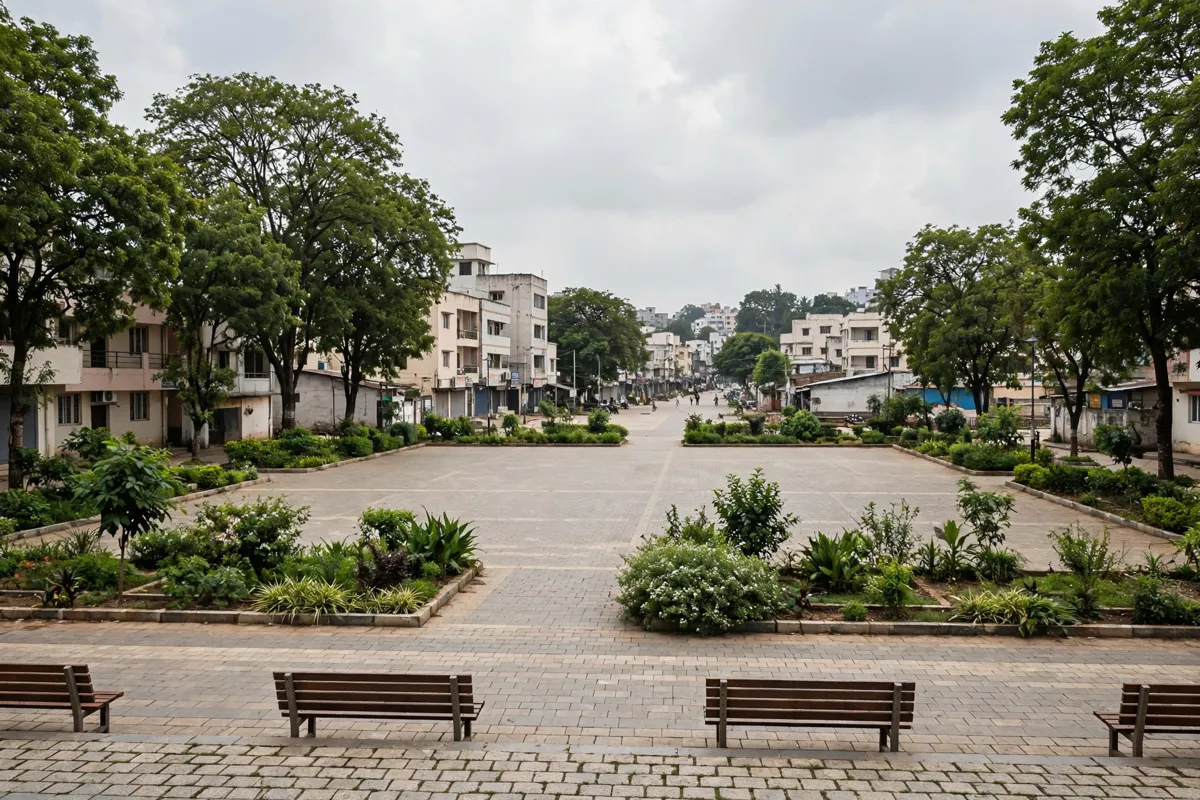 04Citywide festivals and busy datesThere are no confirmed citywide festival dates here to use as a reliable basis for choosing travel dates.
- 05Checking dates before booking travelCheck event details before you commit to dates, especially if a festival is central to your plans.
- 06FAQsOctober through March is the peak season for visiting open-air heritage sites.
How seasons affect a visit
October through March is the peak season for visiting Chhatrapati Sambhajinagar’s open-air heritage sites. January and February have average daily highs of 29.3°C and 31.4°C, while December averages 28.7°C; average lows are 13.8°C, 15.4°C and 13.3°C in those months respectively.
March marks the start of the hotter stretch: mean daily highs climb from 35.7°C in March to 39.4°C in May. If you plan outdoor sightseeing in these months, account for the heat when arranging your days.
June through September is monsoon season. The hills around Ajanta and Ellora turn green, but exploring Ellora can involve slippery conditions. Average rainfall is 164.8 mm in July, 170.7 mm in August and 175.8 mm in September. The India Meteorological Department’s city climate table reports monthly temperature and rainfall normals for the 1981–2010 period.
August and September have mean daily highs of 29.0°C and 30.4°C. For a trip from Aurangabad to the caves, the route and day-trip planning for Ellora Caves helps put the seasonal conditions in context.
Planning around the Ajanta-Ellora International Festival
The Ajanta-Ellora International Festival can be a reason to consider a trip, but confirmed dates, venue and programme details are not established for a future edition. Treat the festival as a possibility rather than a fixed point in your travel plans, and confirm arrangements before booking around it.
The Ajanta–Ellora region is a heritage destination in its own right. If the festival is part of your plans, keep your schedule flexible until its dates and venue are confirmed; don’t assume it will take place at a particular site.
The Ellora Festival and changing venues
Do not assume the Ellora Festival has a confirmed venue or public-access arrangement for a future edition. Dates, venue arrangements and public access details have not been confirmed, so check the official site before you go.
Ellora Caves date to the 6th century and include Hindu, Buddhist and Jain caves. Features include Kailasa Temple, Buddhist monasteries and Jain caves. Maharashtra Tourism recommends October through March for a visit and gives a temperature range of 15°C to 30°C for that period.
The caves are about 30 km from Aurangabad city. You can reach them by bus, taxi or private vehicle. For a day that combines Ellora with other historic sights, a one-day route through Aurangabad’s historic sights can help you consider how to arrange the stops.
Citywide festivals and busy dates
There are no confirmed citywide festival dates here to use as a reliable basis for choosing travel dates. The available festival information does not establish a recurring calendar, so avoid assuming that a particular month will bring a specific event or citywide celebration.
For a more dependable seasonal decision, use the weather pattern: October through March is the stated peak period for heritage visits, while June through September brings monsoon conditions. If you are planning around an event, confirm its dates and arrangements independently before making bookings.
Checking dates before booking travel
Check event details before you commit to dates, especially if a festival is central to your plans. The official Maharashtra Tourism pages describe the region as a heritage destination but do not confirm dates, venue or programme details for a future Ajanta-Ellora International Festival edition.
For Ellora, weigh the cooler October-to-March visiting period against the greener monsoon landscape and the possibility of slippery conditions. Check the official site before you go, particularly for time-sensitive festival and access arrangements.
FAQs
What is the best time to visit Aurangabad?
October through March is the peak season for visiting open-air heritage sites. Ellora is also recommended for this period, with temperatures of 15°C to 30°C.
Is monsoon a good time to visit Ellora?
The hills around Ajanta and Ellora turn green from June through September, but exploring Ellora can involve slippery conditions. Rainfall averages are highest among the figures given in September.
When is the Ajanta-Ellora International Festival held?
Confirmed dates, venue and programme details for a future edition are not established. Check for official announcements before planning a trip around the festival.
How do you reach Ellora Caves from Aurangabad?
Ellora Caves are about 30 km from Aurangabad city. Bus, taxi and private vehicle are ways to get there.